AI crawlers and server load: what GPTBot, ClaudeBot and Bytespider cost a host
A well-behaved crawler still has a cost when it walks every tag and archive page. robots.txt is a request, not a lock.
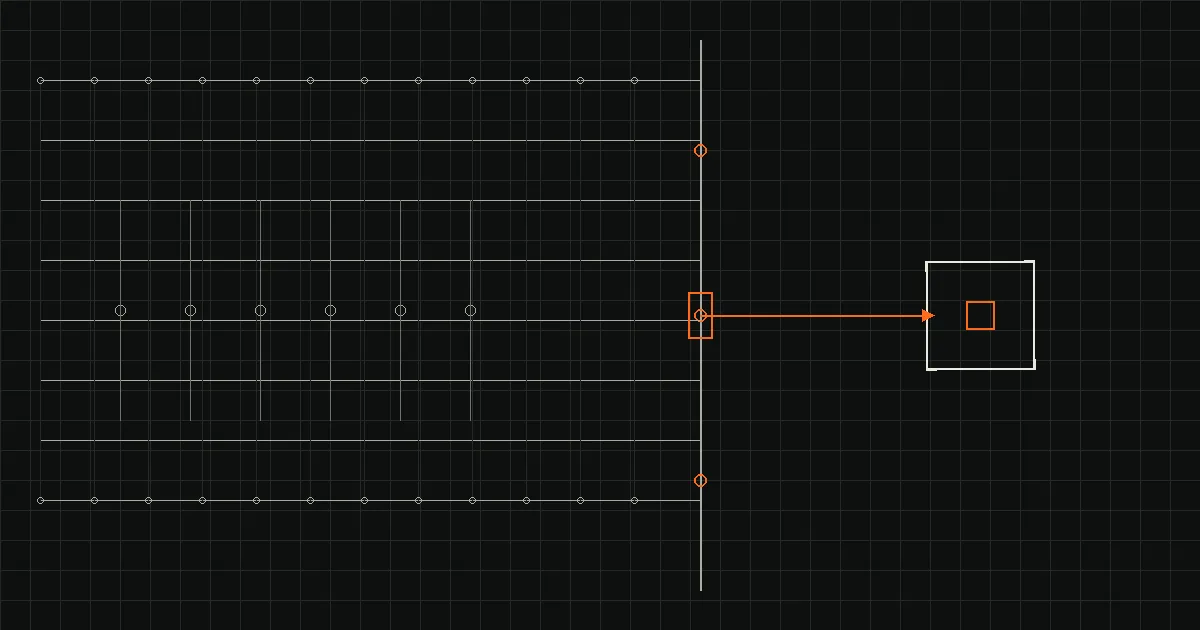
Hosts have been talking about this all year: a client's site is fine at breakfast, then CPU climbs through the day as something walks every tag, category and archive page. The logs name GPTBot, ClaudeBot, Bytespider or one of their cousins. None of those visits has to be an attack. A thorough crawl of a busy WordPress site is still a lot of PHP, and on a shared server that cost is paid by everyone else on the box.
There is no honest dollar figure we can put on that from the outside. What you will see is slower sites, pressure to move a client up a plan, and awkward conversations about fair use. The useful question is not “how bad is this in general”, but “which of these crawlers can I recognise, and what can I actually ask them to do”.
robots.txt is a request, not a lock
Most well-behaved AI crawlers honour robots.txt. That is the right first step, and it is the one you can offer every client. It is also only a request. A crawler can ignore it, and some user-triggered fetchers may ignore it even when the rest of that vendor's bots do not.
stillorigin's free AI crawler robots.txt generator builds a snippet from documented user-agent tokens, taken from each vendor's own documentation, including OpenAI, Anthropic, Google, Apple, Perplexity, Common Crawl, Meta and Amazon. You can block training only, or change any crawler, and you can paste an existing robots.txt; other groups are kept. The generator runs in your browser. Nothing is sent to stillorigin.
Bytespider is not in that list. We could not confirm an official robots.txt token in ByteDance's current documentation in the same form as the vendors we list, so we have not invented one. If a client wants to request that Bytespider stay away, they will need to follow whatever ByteDance currently documents, or handle it at the server. The same caution applies to any bot that does not publish a token we can confirm.
Recognising crawlers by address, not by name
A user agent is as easy to copy for GPTBot as it is for Googlebot. At the sentry, stillorigin recognises the AI crawlers on its list by their published IP ranges, not by the name they send. That list currently includes GPTBot, ChatGPT-User and OAI-SearchBot, Claude (ClaudeBot, Claude-User and Claude-SearchBot), Amazonbot, and Perplexity's crawlers, among others. Ranges are refreshed from each provider's official list about once a day.
Bytespider is not on that list, and we do not import a Bytespider address list. A bot that is missing is not blocked by default; it simply uses the ordinary per-IP budget, like any other unverified visitor. Common Crawl's CCBot is deliberately left off as well, and is treated as ordinary traffic.
Verified search engines and AI crawlers use the cluster's crawler connection limits, which start lower than the ordinary per-IP new-connection limit and can be raised on the cluster. That setting is shared by both groups. You can also block a whole group or a single service, across your whole network or on one cluster, and set default blocks for your clients' domains with Website protection — for example, all AI crawlers. A domain owner can allow only a host default block on their own Website protection domain, if you let them. Network-wide and cluster host blocks always apply. Identified traffic is never added to the naughty list automatically. The knowledge base on scraper throttling explains how those limits work.
That combination is the practical answer for a host. Use robots.txt so well-behaved crawlers know what the client wants. Use published address lists, not names, for the crawlers you can confirm. Block those as a matter of policy, as a group or one listed service, network-wide or on one cluster. And be honest about the ones you cannot confirm yet, including Bytespider: they are ordinary traffic until you have another way to handle them.
If you want to try this on your own servers, you can start a 30-day free trial. Pricing is on the pricing page.
Questions hosts ask
Does robots.txt stop AI crawlers?
Why isn't Bytespider in the generator or the verified list?
Will blocking AI crawlers hurt a client's search ranking?
Try stillorigin for 30 days.
Put a sentry in front of a server and see what it takes off the origin. The trial includes one sentry, and you can cancel at any time.